What is the U-Value of a window and why does it matter?
If you’re researching replacement windows, you’ve probably come across the term U-value. It might sound technical, but the basic idea is simple: a window’s U-value tells you how easily heat can pass through it.
The lower the U-value, the less heat transfers through the window. This means better thermal efficiency, less heat loss and potentially lower energy costs for your home.
So, what does a good U-value look like, and how much difference can single, double and triple glazing make?
What does U-value actually mean?
U-value is a measurement of thermal transmittance. It describes the rate of heat transfer through a material when there is a degree of temperature difference between one side and the other.
It is measured in watts per square metre per kelvin (W/m²K). A lower figure means greater thermal resistance and better insulation.
For windows, look at the whole-window U-value rather than just the glass. The overall figure takes the glass, frame, spacer bars and other building components into account.
In simple terms, a high U-value means more heat can escape. A low U-value means less heat transfer, helping your home retain warmth.
Why does a lower U-value matter?
During colder weather, warmth naturally moves from inside your home towards the colder outside air. Windows with poor thermal efficiency can allow more heat to escape, meaning your heating system may need to use more energy.
A lower U-value can contribute to:
- Better thermal insulation
- More comfortable room temperatures
- Improved energy efficiency
- Potential energy savings
- Lower heating costs
Actual savings depend on your property, insulation, heating system and how you use your home. However, upgrading old windows can make an important contribution to your home’s energy efficiency.
Single, double and triple glazing U-values
Typical U-values vary according to the complete specification, so these figures are useful guides rather than guarantees.
| Glazing type | Typical U-value |
| Single glazing | Around 5.0 W/m²K |
| Older double glazing | Around 2.0–3.0 W/m²K |
| Modern double glazing | Around 1.2–1.6 W/m²K |
| High-performance double glazing | Around 1.0–1.2 W/m²K |
| Triple glazing | Around 0.6–0.8 W/m²K |
Actual U-values depend on the complete window specification, including the glass, frame, gas fill and spacer bars.
Single glazing
Single glazing consists of one pane of glass and offers relatively little resistance to heat transfer, meaning older windows can allow considerably more heat to escape than modern alternatives.
Double glazing
Double glazing uses two glass panes separated by an insulating cavity. Modern sealed units can use inert gas such as Argon to help reduce heat transfer.
Triple glazing
Triple glazing adds a third pane and another insulating cavity. This can provide greater thermal performance and lower U-values, although the benefits should be considered alongside the additional cost.
What affects a window’s U-value?
Glazing type is only one factor affecting the final rate of energy transfer. The glass, frame, gas fill and spacer bars all contribute to the whole-window figure.
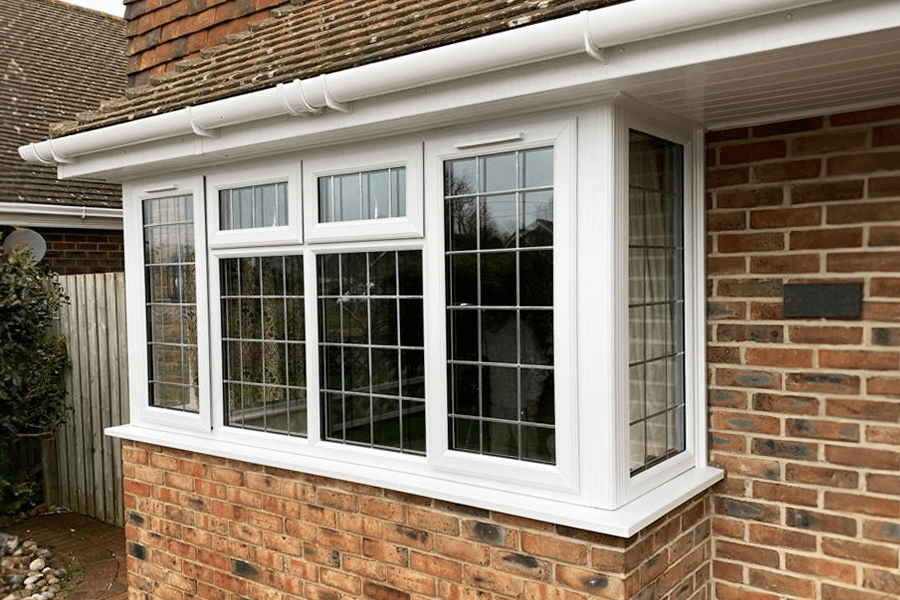
Our made-to-measure uPVC windows can achieve A or A+ energy ratings depending on specification. Our double glazing options include Argon Gas-filled sealed units and black warm-edge spacer bars, which can help improve insulation and reduce heat transfer.
How does U-value affect energy bills?
When less heat escapes through your windows, your heating system may need to use less energy to maintain your chosen temperature. This can contribute to lower heating costs and improved comfort, particularly when replacing old or inefficient windows.
What do current building regulations say?
In England, Approved Document L sets requirements for the energy performance of replacement windows. For windows in existing dwellings, the guidance gives a maximum U-value of 1.4 W/m²K or a minimum Window Energy Rating of B.
Amazing Glazing is FENSA approved, with FENSA monitoring compliance with building regulations for replacement windows and doors.
What is a good U-value for a window?
For many homeowners, a modern double glazed window achieving around 1.2 W/m²K or lower represents strong thermal performance. Triple glazing can achieve lower figures still, but the best option depends on your property, budget and priorities. When comparing windows, look at the whole-window U-value rather than the glass alone.
Choosing the right glazing
We offer casement windows, sliding sash windows and tilt and turn windows. Our glazing options include energy-efficient double glazing and triple glazing, with Argon Gas-filled sealed units and black warm-edge spacer bars available.
With many years of experience serving homeowners across Kent, we also offer a free measuring and consultation service. All our products come with a HomePro 10-year insurance-backed guarantee, giving you added peace of mind.
Find the right windows for your home
Understanding U-values makes it easier to compare new windows and see how thermal performance can affect your home.
At Amazing Glazing, we can help you compare your options and choose glazing suited to your property’s needs and energy efficiency priorities. Our friendly team provides free, no-obligation quotations so you can make your decision with confidence.
For a free consultation, contact Amazing Glazing or request a free quote.