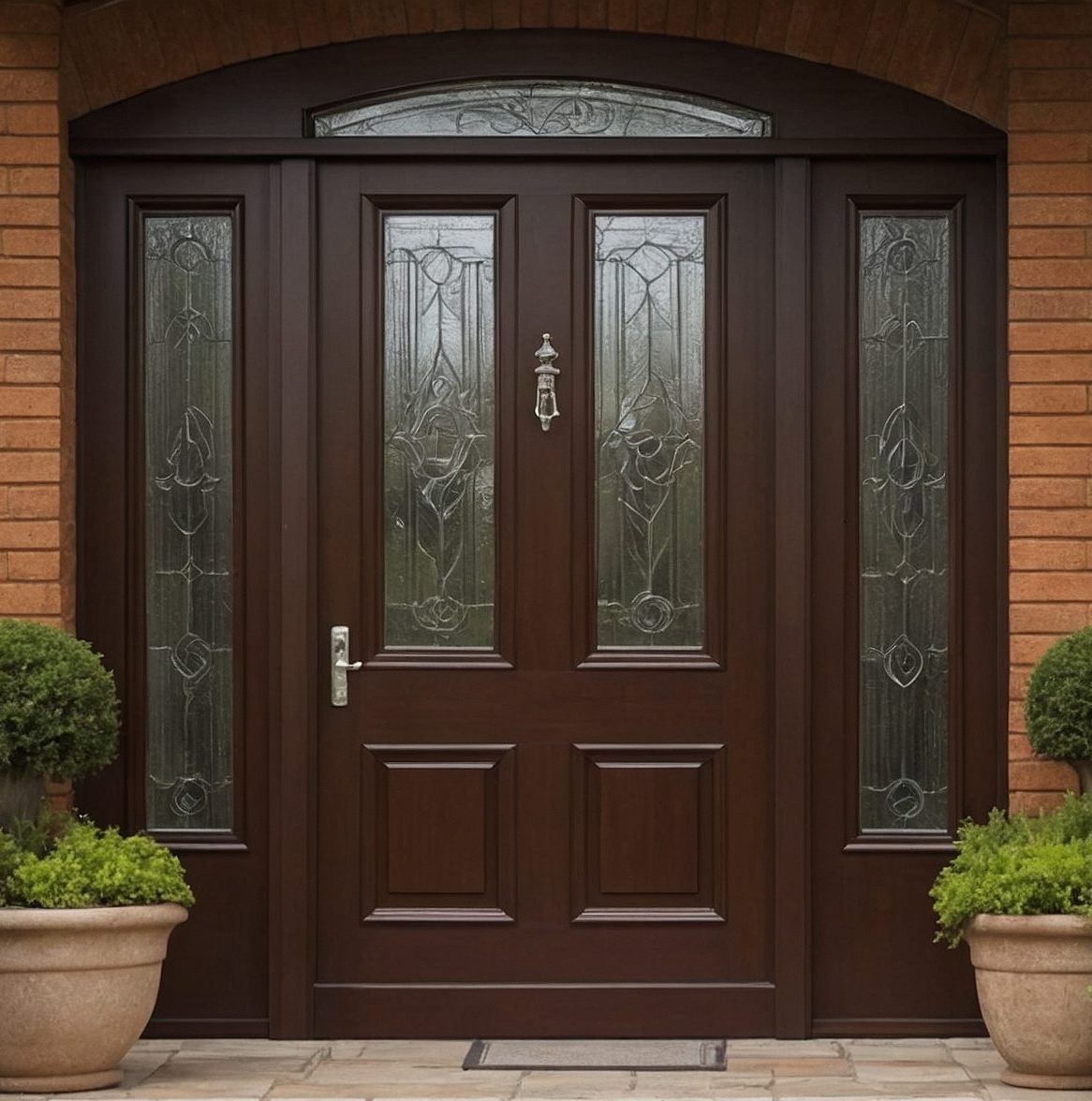
What is a composite door? A homeowner’s guide
A composite door is a door made from several materials layered together: a tough outer skin, an insulated core and a strong inner frame. The result is a door that looks like real wood but is warmer, more secure and needs very little looking after.
This layered construction is the key to their appeal. Each material has a specific job to do, so the door delivers strength, insulation and kerb appeal that a single material struggles to match. It’s one of the reasons composite doors are now among the most popular front door choices for homeowners across Kent.
In this guide, we explain what a composite door is made from, how it compares with uPVC and timber doors, and why so many of our customers choose one.
Key takeaways
- Composite doors combine a GRP outer skin, an insulated core and a reinforced frame.
- They outperform single-material doors for strength, warmth and weather resistance.
- They’re low maintenance, needing no sanding or regular painting.
What’s inside a composite door?
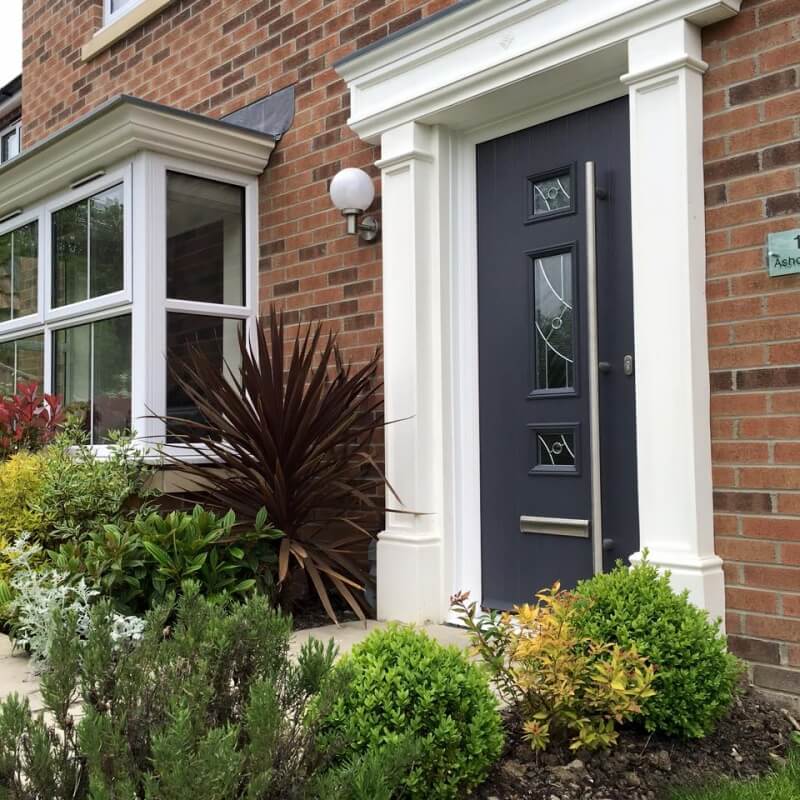
Inside most composite doors, a warm thermal foam core sits between tough GRP skins, held firm by a reinforced internal frame. Each layer plays a crucial role, and together they create a door that is strong, well insulated and stable. Here’s what each part does:
- The outer skin. The outer layer is usually GRP (glass-reinforced plastic). Our composite doors use a GRP skin coated to resist impact and weather, and it can carry a realistic wood grain finish.
- The core. Inside, you’ll typically find a thermal foam core that fills the internal space of the door and offers excellent heat retention. Some doors use a solid timber core instead for extra weight and rigidity.
- The internal frame. A reinforced internal frame runs around the edge of the door, adding structural integrity and a firm fixing point for locks and hinges.
- The door frame. The door sits in a sturdy outer frame, made to measure for a perfect fit.
This combination of materials is what sets composite doors apart. Each layer makes up for the weaknesses of the others, so you get a door that is strong, warm and stable.
Composite, uPVC and timber doors: the key differences
If you’re comparing options for a new door, here’s how the three main types stack up.
| Composite | uPVC | Timber | |
| Construction | Layered: GRP skin, insulated core, reinforced frame | Single material, usually steel-reinforced | Solid wood |
| Strength | Very high | Good | High, but can weaken over time |
| Maintenance | Occasional wipe | Occasional wipe | Regular painting or staining |
| Appearance | Timber-look wood grain | Smooth, modern finish | Natural real wood |
Composite vs uPVC doors
A uPVC door is light, affordable and low maintenance, and we install uPVC entrance doors too. The difference is in the build. A composite door is heavier and more substantial, with a solid core that gives it greater structural integrity and better thermal insulation. Many homeowners feel that makes composite better value over the life of the door.
Composite vs timber doors
Solid timber wood doors have a timeless charm suited to many period properties. But real wood can swell, warp or rot when exposed to the elements and it needs regular painting to stay in good condition.
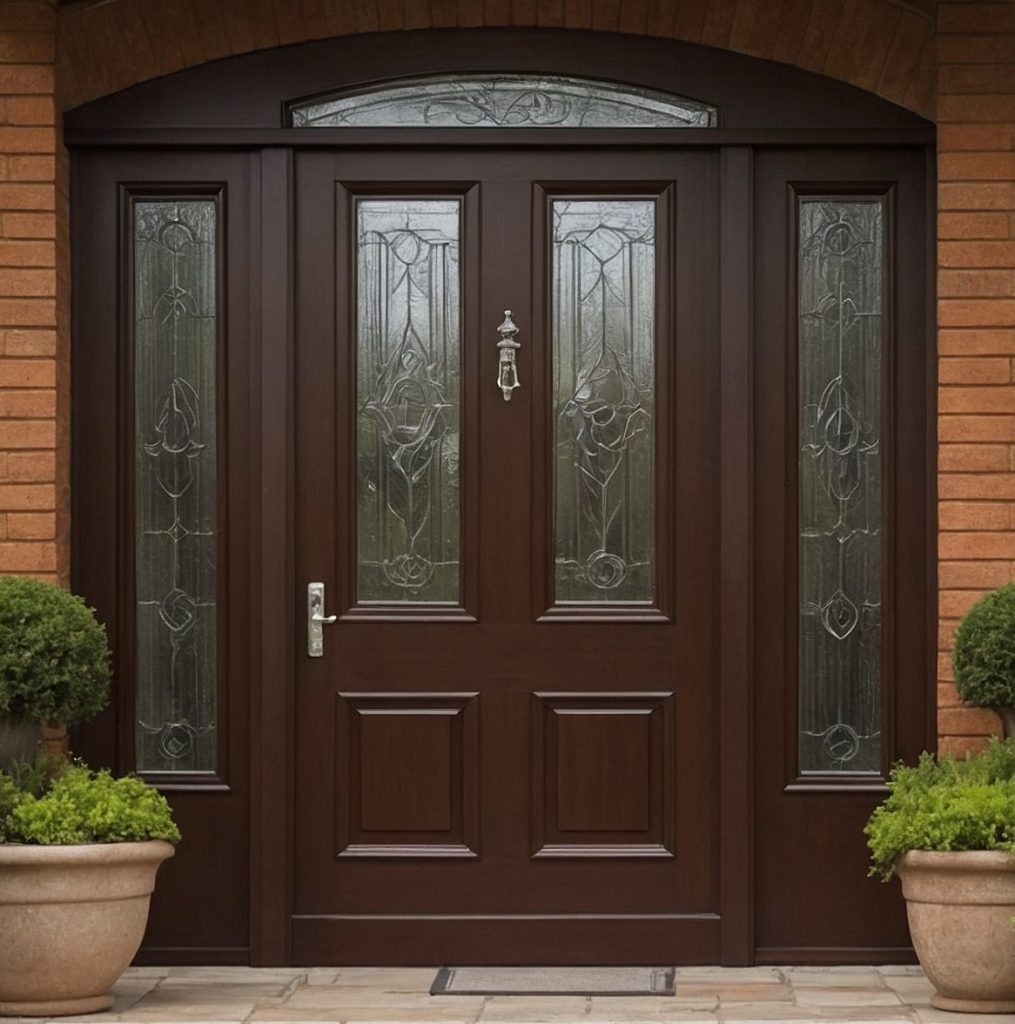
Composite doors give you the look of a traditional door, complete with a textured wood grain, without that upkeep. Unlike wooden doors, they won’t warp or crack over time, which matters on exposed coastal areas.
The key benefits of a composite door
Strength and superior security
With its solid core and reinforced frame, a composite front door is very difficult to force. Our composite doors also come with high-security locking mechanisms as standard, giving you real peace of mind.
Thermal efficiency and lower energy bills
An older, draughty door can be a major source of heat loss. The insulated core and tight seals of a composite door help keep warmth where it belongs.
All our doors are A-rated for energy efficiency. For your house this means, less heat escapes, so your home stays warmer and your energy bills drop. They also help keep outside noise down, which is ideal if you live on a busy road.
Low maintenance and weather resistance
One of the biggest advantages of a composite door is how little care it needs. Unlike timber, there’s no sanding, staining or repainting to keep on top of. An occasional wipe with a damp cloth is usually all it takes to keep it looking smart. The GRP skin is coated to resist bad weather, so it copes well with winter storms to blustery coastal winds, year after year. That means less time maintaining your front door and more time enjoying your home.
Our composite door range and finishes
Composite doors offer real aesthetic flexibility, which is a big part of their appeal. Our range of styles suits every type of house, from period properties to new builds.
- Finishes: authentic timber-look, wood-effect finishes that boost your home’s kerb appeal.
- Colours: traditional timber tones through to bold modern shades, including anthracite grey, black, red and Chartwell Green.
- Glazing: a choice of glazing options, including decorative glass. A layer of glass lets natural light into your hallway.
- Front and back doors: we fit composite front doors and back doors.
Every new composite door is made to order and measured for a perfect fit. Our installations are FENSA registered and protected by a HomePro 10-year insurance-backed guarantee.
Find your new composite door with Amazing Glazing
A composite door is an excellent choice for homeowners who want a secure, warm and stylish entrance that requires little maintenance.
If you’d like help making an informed decision, our friendly team is here for you. Explore our range of composite doors, then get in touch and call on 0800 062 2103 or request a free, no-obligation quote.
Frequently Asked Questions
How much does a composite door cost?
The cost of a composite door depends on its size, style, colour and glazing. As each door is made to order, we don’t work from a fixed price list. Instead, we’ll visit your home and give you a free, no-obligation quote.
Are composite doors worth the higher cost?
Composite doors usually cost more upfront than uPVC. For many homeowners, the extra strength, lower energy bills and minimal upkeep make them a worthwhile long-term investment.