What to look for when buying uPVC windows
The best uPVC windows combine a well-made frame, energy-efficient glazing and secure locks, all fitted by a registered installer. Get these right and your new uPVC windows will keep your home warm, quiet and safe for years to come.
Choose poorly and you could be living with draughts and tired-looking frames far sooner than you’d expect.
That’s why expert advice before you buy is so valuable. We regularly help homeowners compare frames, glazing options, locks and window styles. In this guide, we share the main things to look out for so you can buy new uPVC windows with confidence.
Key takeaways
- Pick double or triple glazing with an energy rating of A or above.
- Look for multi-point locking as standard.
- Choose a window style and colour that suit your home.
- Use a registered installer who offers an insurance-backed guarantee.
Start with a well-made frame
uPVC is a popular choice for good reason. High quality uPVC windows won’t rot or warp like timber frames can. Material quality still varies, though. Cheaper window frames can discolour, feel flimsy or let in draughts.
When comparing options, look for:
- Frames that stay white. Quality uPVC is made to resist yellowing from sun exposure.
- Snug seals. Tight seals keep out draughts and rain, even in strong winds and harsh weather conditions.
- A solid feel. Good frames feel sturdy and close firmly.
Our uPVC windows are made to measure using quality uPVC from trusted brands such as Kommerling, so they’re built to last.
Choose the right glazing
The glass makes up most of a window, so it has a big effect on the energy efficiency of your home. Older double glazing is prone to far more heat loss than today’s units, so it pays to choose carefully.
Modern double glazing suits most homes. Our sealed units are filled with argon gas and fitted with warm-edge spacer bars to improve thermal efficiency, helping to lower your energy bills.
For even better thermal insulation and noise reduction, triple glazing adds a third pane of glass. It costs more upfront, but it’s often the best option if you live near a busy road or want the warmest, quietest home possible.
What energy rating should uPVC windows have?
Look for a window energy rating of A or above. Ratings run from A++ down to E and cover the whole window, frame and glass together. A higher rating means the window keeps more heat in. Many of our modern uPVC windows achieve an A or A+ rating.
In practice, that means warmer rooms, less work for your heating, lower energy bills and a smaller carbon footprint. A registered installer will also make sure your new windows meet building regulations.

Check the hardware and security features
Secure windows give you peace of mind, especially on the ground floor. When comparing quotes, check for:
- Multi-point locking. This locks the window into the frame at several points.
- Locking handles. These stop the window being opened from outside.
- Sturdy hinges and fittings. Good quality fittings keep your windows secure and opening smoothly for years.
Every uPVC window we install features multi-point locking and is Secured by Design approved. Secured by Design is the official police-backed security standard, giving you complete peace of mind once your new windows are in.
Pick a window style that suits your home
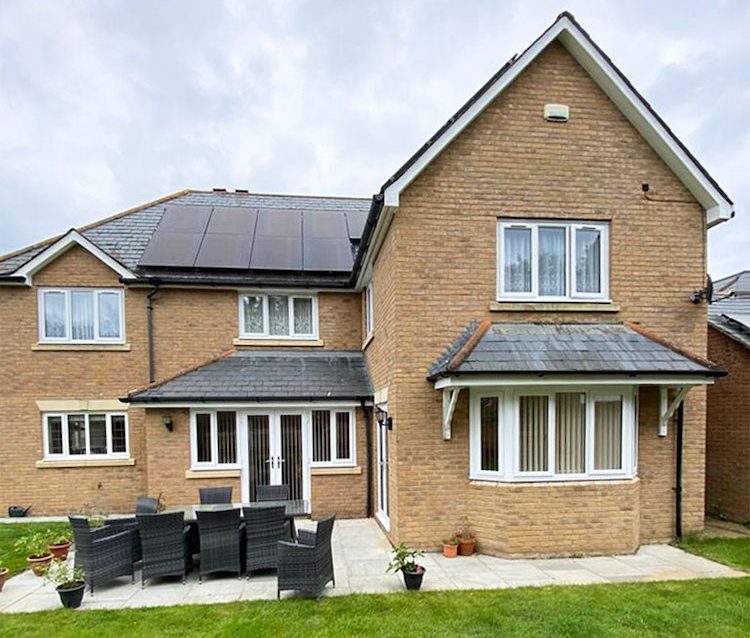
The right type of window depends on your home’s age, layout and look. We install four main types of windows:
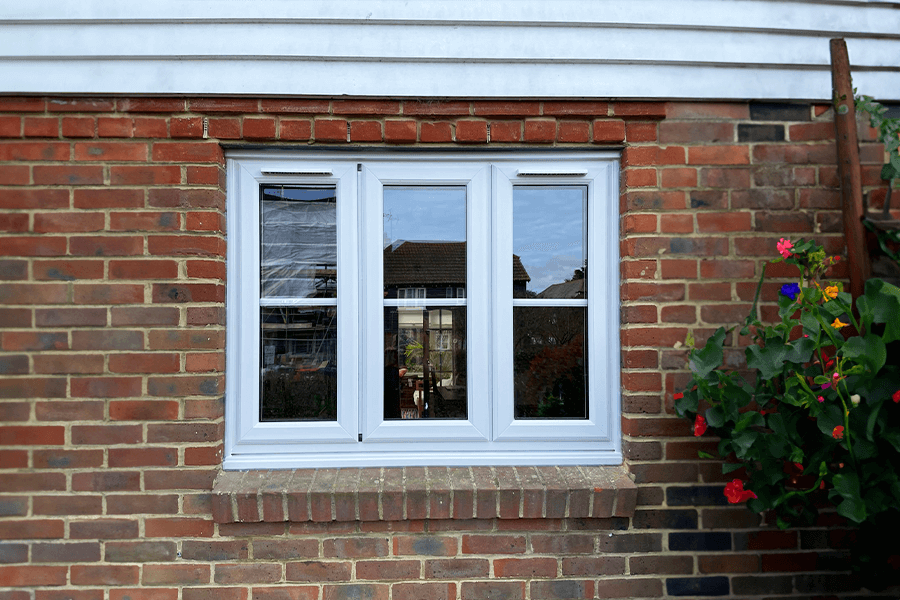
- Casement windows. The UK’s most popular window style. Our uPVC casement windows come side-hung or top-hung.
- Flush sash windows. The sash sits flush within the frame for a neat, traditional finish.
- Sliding sash windows. A uPVC alternative to traditional sash windows, ideal for period properties.
- Tilt and turn windows. Two opening styles in one, making the glass easy to clean from inside.
Colour choice adds to your home’s aesthetic appeal too. Alongside classic white, our range includes Anthracite Grey, Black, Chartwell Green, Clotted Cream and wood-effect finishes such as Golden Oak and Rosewood.
Choose your installer carefully
Even the best window will underperform if it’s badly fitted. The quality of workmanship matters as much as the product, so check your installer’s credentials before you sign anything.
- FENSA registration. Our installations are FENSA registered. This means the work meets building regulations and you’ll receive a certificate to prove it.
- An insurance-backed guarantee. This protects you if the installer ceases trading. Our installations come with a HomePro 10-year insurance-backed guarantee.
- Customer reviews. Read what past customers say on independent sites such as Trustpilot, Checkatrade and Google.
- A proper survey. A good installer will measure every window carefully, so each one is made to fit your home perfectly.
It also helps to choose a local uPVC window installer. Based in Whitstable, our team is never far away if you need us after your windows are fitted.
Book your free consultation appointment
Knowing what to look for when buying uPVC windows makes the decision much easier, but you don’t have to make it on your own. Our friendly team will visit your home, measure up your windows and talk you through frames, glazing, styles and colours, with no pressure to proceed.
Explore our uPVC windows, then call us on 0800 062 2103 or request your free, no-obligation quote today.
Frequently Asked Questions
How long do uPVC windows last?
Typical uPVC windows generally last around 20 years, often longer with basic care. Choosing a quality frame and installer helps them last as long as possible.
Are uPVC windows low maintenance?
Yes, it’s one of their key benefits. There’s no sanding or painting. A wipe with a soft cloth and mild detergent is usually all they need to stay looking smart.
How long does installation take?
Most of our installations are completed within four to six weeks of your quote being agreed.
Which types of uPVC windows are best for homes near the sea?
All of our uPVC window styles suit coastal homes, as uPVC won’t rot or warp in damp, salty air. Choose windows with tight seals to keep out wind-driven rain. If your home faces the sea, triple glazing can help block out wind noise and keep the heat in.
What are common mistakes people make when buying uPVC windows?
The most common mistakes include:
- Choosing on price alone rather than quality.
- Not checking the energy rating.
- Picking a style that doesn’t suit the property.
- Using an installer without FENSA registration or an insurance-backed guarantee.